
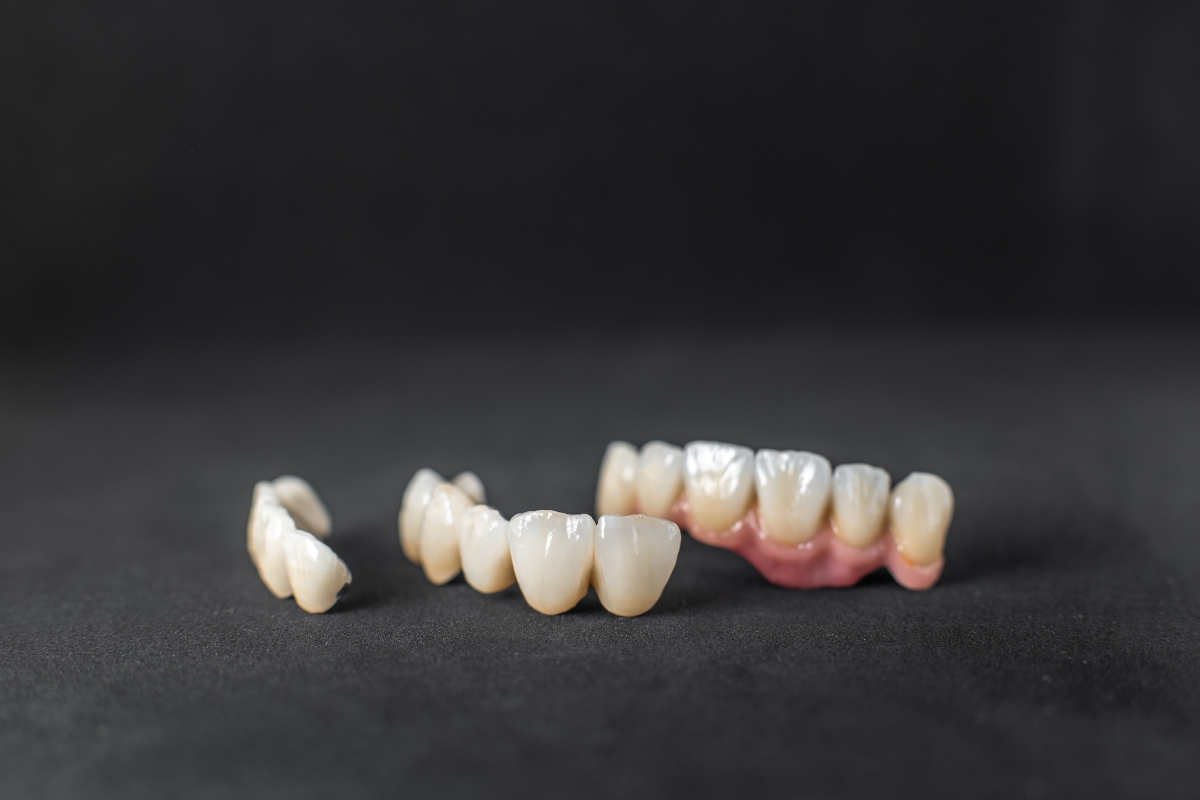
Why Is My Tooth Sensitive After a Crown? Dr. Courtney’s Tips for Nashville Patients
By Greenwood Local Dentistry in
Blog
12/01/2026
Dental crowns are often used to restore cracked, worn-down, or severely decayed teeth. While crowns are a reliable way to restore a tooth’s function and appearance, some patients experience sensitivity after the procedure. If you’ve recently received a crown and are feeling discomfort, you may be wondering what’s causing the sensitivity and how to address it. Dr. Courtney, a trusted Nashville dentist, shares insights to help you understand why this happens and how to manage it.
Understanding Tooth Sensitivity After a Crown
It’s important to note that some sensitivity after a crown is quite normal, especially in the first few days or weeks. However, if the discomfort persists for more than a few weeks, it could indicate an issue that requires attention. Here are some of the most common reasons why your tooth may feel sensitive after receiving a crown:
- Nerve Irritation
During the crown placement procedure, the dentist must remove a portion of your tooth to make room for the crown. In some cases, this can irritate the nerve inside the tooth, leading to temporary sensitivity. This is especially common when a crown is placed on a tooth that is severely decayed or fractured. - Gum Irritation
The gums surrounding your tooth can also become irritated during the crown procedure, particularly if the crown extends below the gum line. This irritation can cause discomfort, especially when chewing or drinking hot or cold beverages. - Incorrect Bite
After a crown is placed, it’s essential to ensure the bite is correct. If the crown is too high or uneven, it may cause pressure on certain areas of the tooth, leading to sensitivity and discomfort. This issue can usually be fixed with a quick adjustment by your dentist. - Tooth Sensitivity to Temperature
Sometimes, the new crown may expose the tooth to temperature changes that were previously protected by the natural enamel. Sensitivity to hot or cold can be common, particularly in the first few weeks after the crown is placed. This discomfort usually fades over time as your tooth adjusts. - Decay Underneath the Crown
If the crown was placed on a tooth that had previous decay, there’s a chance that the decay wasn’t entirely removed before the crown was placed. This can lead to continued sensitivity, and the crown may need to be adjusted or replaced.
How to Manage Sensitivity After a Crown
If you’re experiencing sensitivity after a crown, here are a few steps to help manage the discomfort:
- Give It Time
In many cases, sensitivity naturally decreases after a few days to a few weeks. Your tooth needs time to adjust to the new crown, and any irritation or discomfort should subside. - Use Toothpaste for Sensitive Teeth
Specially formulated toothpaste for sensitive teeth can help reduce discomfort by desensitizing the nerve endings in your tooth. These toothpastes contain compounds that block the transmission of pain signals. - Avoid Extremely Hot or Cold Foods
While your tooth is healing, it’s a good idea to avoid very hot or cold foods and beverages that may trigger sensitivity. Stick to lukewarm foods and drinks to minimize discomfort. - Avoid Chewing on the Crowned Tooth
If your tooth feels especially sensitive, try to avoid chewing on that side of your mouth for a few days. This will help reduce the pressure on the crown and give your tooth time to adjust. - Visit Your Dentist
If the sensitivity persists for more than a few weeks or worsens, it’s important to visit Dr. Courtney for a checkup. A thorough exam can help determine whether there’s an issue with the crown or whether further treatment is necessary.
If you’re experiencing sensitivity in your crowned tooth and live in the Nashville area, please reach out to our office. We offer personalized care and convenient appointment scheduling to ensure you get the attention you need. Our team at Greenwood Local Dentistry + Orthodontics is committed to helping you achieve a healthy, pain-free smile.
People Also Ask
1. How long does tooth sensitivity last after a crown?
Tooth sensitivity after a crown typically lasts for a few days to a few weeks. If the discomfort persists for more than a few weeks, it’s important to visit your dentist to rule out any issues.
2. Can a high crown cause sensitivity?
Yes, if a crown is placed too high, it can affect your bite and lead to sensitivity and discomfort. Your dentist can make adjustments to the crown to alleviate this problem.
3. Is it normal for a tooth to feel sensitive to hot or cold after a crown?
Yes, it’s normal for a crowned tooth to feel sensitive to temperature changes, especially during the first few weeks after the procedure. This sensitivity should decrease over time.
4. What should I do if my crowned tooth becomes painful?
If your crowned tooth becomes painful or the sensitivity worsens, contact your dentist as soon as possible. They can assess the situation and determine if there’s an underlying issue, such as decay under the crown.
5. Can dentures cause tooth sensitivity?
While dentures do not directly cause tooth sensitivity, if you’ve recently switched from crowns to dentures, you may experience some adjustment period as your mouth adapts to the new appliance. If sensitivity persists, it’s a good idea to consult your dentist for advice.